آخر المشاركات
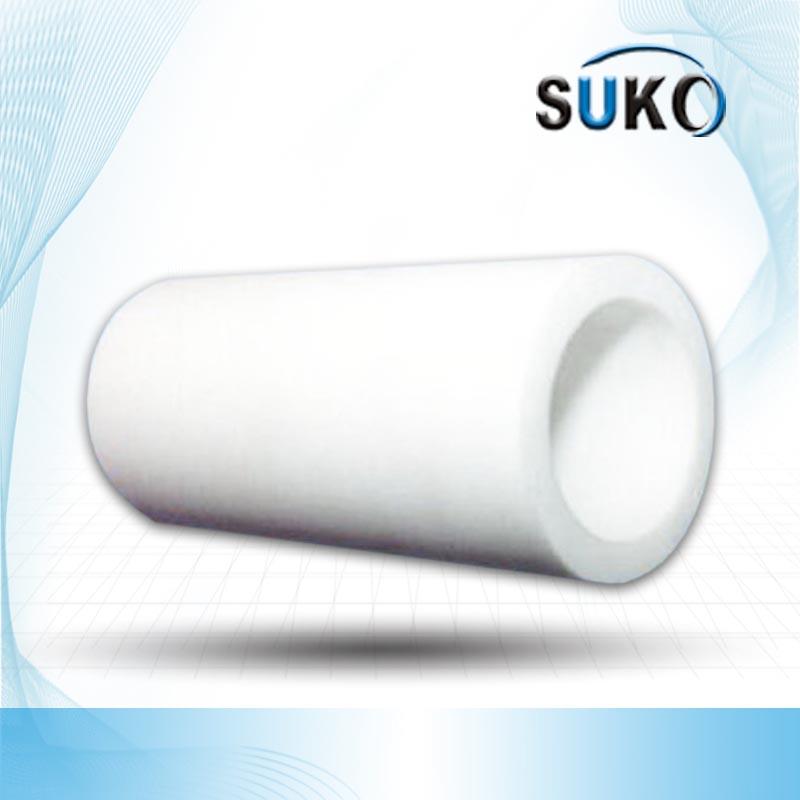
Why PTFE Rod Is the Go-To Material for Automotive Sealing
Introduction
The automotive industry demands sealing solutions that can endure extreme temperatures, aggressive chemicals, continuous mechanical stress, and millions of duty cycles — without failure. Rubber seals (NBR, FKM, EPDM) have been the default choice for decades, but they have inherent limitations: they degrade under heat, swell in aggressive fluids, harden over time, and eventually crack.
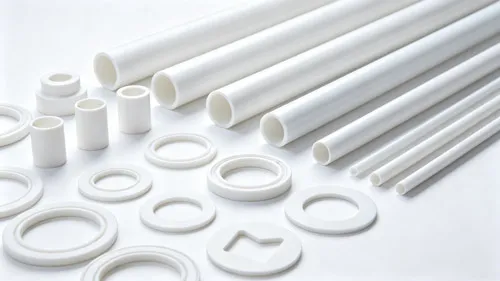
PTFE rod offers a fundamentally different solution. Machined into oil seals, piston rings, guide rings, gaskets, and custom sealing profiles, PTFE components outperform rubber in nearly every measure that matters for automotive sealing.
This article explains why PTFE rod is replacing traditional rubber in high-performance automotive sealing applications — and how SUKO’s in-house manufacturing capability makes it possible to source any diameter from 4mm to 500mm from a single supplier.
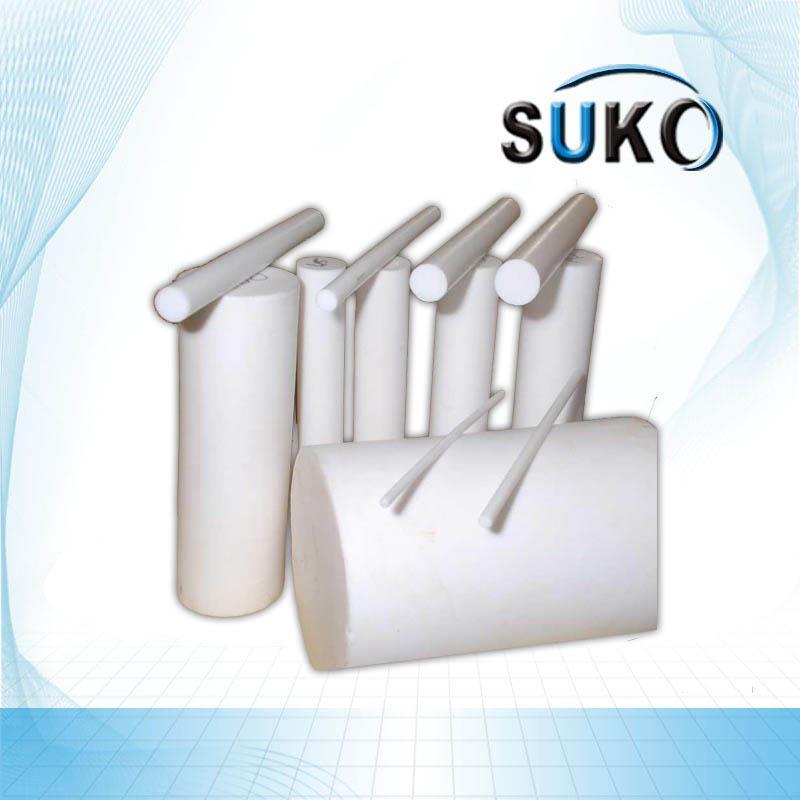
PTFE Rod for Automotive Sealing
The Problem: Why Rubber Seals Fail
Rubber seals are elastomeric — they rely on flexibility to create a sealing interface. But flexibility comes with trade-offs:
-
Heat degradation — Above 150°C, most rubber compounds begin to harden, crack, or lose elasticity
-
Chemical attack — Brake fluid, transmission oil, and fuel additives cause rubber to swell, extract, or degrade
-
Compression set — Rubber permanently deforms under sustained pressure, losing sealing force over time
-
Aging — UV exposure and ozone cause surface cracking and embrittlement
In critical automotive systems — engines, transmissions, brake systems — rubber seals typically require replacement within 5–8 years, and failure often occurs without warning, leading to fluid leaks, component damage, and costly repairs.
PTFE solves all of these problems.
Why PTFE Rod Is Different
PTFE (polytetrafluoroethylene) is not an elastomer. It’s a fluoropolymer with a unique combination of properties that makes it ideal for demanding sealing applications.
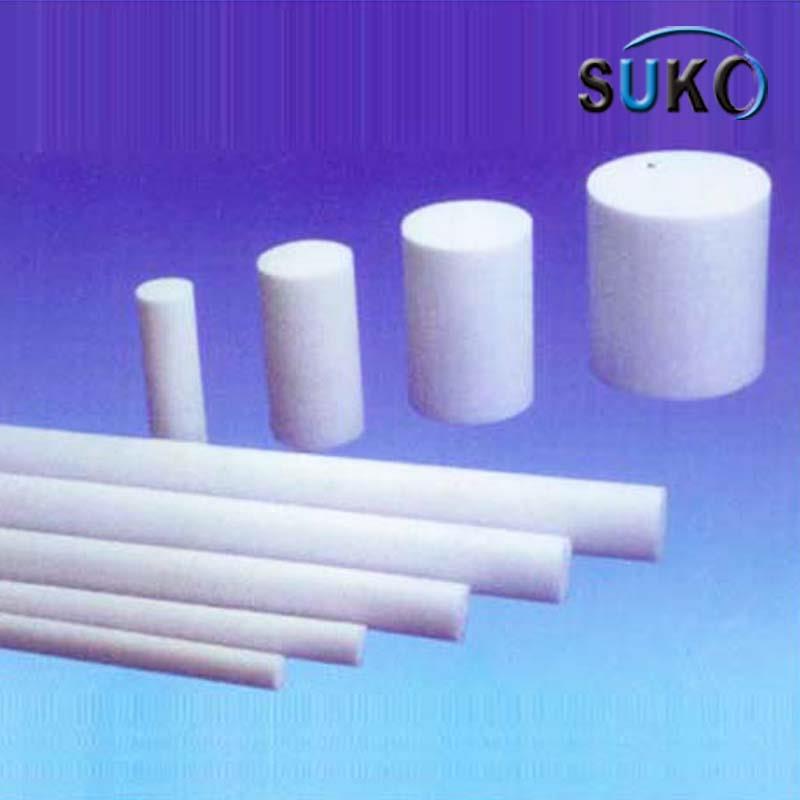
PTFE Rod for Automotive Sealing
1. Ultra-Low Friction
PTFE has one of the lowest coefficients of friction of any solid material — typically ≤0.04. This means PTFE seals generate less heat during operation, reduce wear on mating surfaces, and lower power consumption in rotating applications.
In an engine crankshaft seal, lower friction translates directly to improved fuel efficiency and longer seal life.
2. Extreme Temperature Range
PTFE maintains its mechanical properties from -180°C to +260°C. This is a range no elastomer can match. Engine compartments routinely exceed 150°C; transmission fluids can reach 120°C; brake systems generate high heat during repeated stops. PTFE holds its integrity where rubber fails.
3. Chemical Inertness
PTFE resists virtually all chemicals — including brake fluid, transmission oil, engine coolant, fuel, and additives. It does not swell, soften, or degrade. This is why PTFE is the material of choice for seals in aggressive fluid environments.
4. Self-Lubricating
PTFE’s inherent lubricity means it does not require external lubrication. This is a critical advantage in applications where lubricant films can be disrupted — such as dry-start conditions or systems with marginal oil supply.
5. Aging Resistance
Unlike rubber, PTFE does not age. It is immune to UV degradation, ozone cracking, and thermal cycling fatigue. Components machined from PTFE rod can outlast the vehicle they are installed in.
Where PTFE Rod Is Used in Automotive Sealing
PTFE rod is machined into finished sealing components across eight major automotive systems. The table below shows each system, the specific components, and why PTFE is the preferred material.
| System | Components | Why PTFE? |
|---|---|---|
| Engine | Valve stem seals, crankshaft oil seals, camshaft seals, gaskets | Withstands 200°C+ oil, maintains sealing force under thermal cycling |
| Transmission | Piston seals, sealing rings, guide rings | Resists ATF additives, maintains pressure at high temperatures |
| Brake Systems | Master cylinder seals, caliper seals, ABS seals | Inert to brake fluid, low friction for smooth piston movement |
| Steering Systems | Power steering seals, rack-and-pinion seals | Withstands high pressure, resists PS fluid degradation |
| Suspension | Shock absorber seals, guide rings | Endures continuous reciprocating motion, heavy loads |
| Hydraulic/Pneumatic | Piston rings, rod seals, guide rings | Leak-proof under high pressure, self-lubricating |
| Fuel Systems | Injector seals, fuel pump seals, EVAP seals | Resists fuel and ethanol blends, no swelling |
| Electrical/Sensor | Insulating components, sensor seals, connector seals | Excellent dielectric properties, protects against contamination |
Ram Extrusion vs. Molded Rod: What’s the Difference?
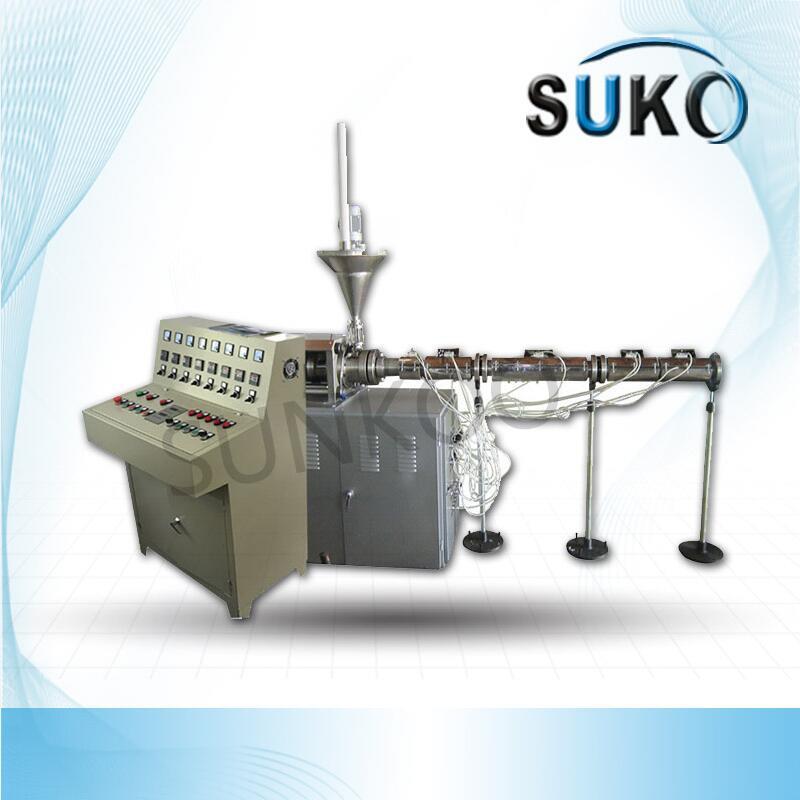
Extruder Automatic Machine polymer PTFE Rod Ram
PTFE rod is manufactured using two primary methods: molding and ram extrusion. The choice matters.
Molded PTFE Rod
-
Produced by compressing PTFE resin in a heated mold
-
Limited to relatively short lengths (typically up to 300mm)
-
Can have inconsistent density due to non-uniform pressure distribution during molding
-
Best for applications requiring large diameters (200mm+) where extrusion is not feasible
Ram Extruded PTFE Rod
-
Produced by feeding PTFE resin into a heated cylinder and forcing it through a die using a hydraulic ram
-
Continuous production — unlimited length
-
Uniform density and consistent material properties
-
Superior machinability and surface finish
-
Consistent diameters across the entire length
For automotive sealing applications, ram extruded PTFE rod is nearly always the preferred choice. Precision-machined seals and piston rings require consistent material throughout the component. Ram extrusion delivers that consistency.
SUKO’s PTFE rod is manufactured exclusively through ram extrusion — providing sealing manufacturers with uniform, machinable rod across the full diameter range.
What Makes SUKO’s PTFE Rod Different
Most PTFE rod suppliers rely on a single extruder, limiting their diameter range and forcing customers to source different sizes from multiple vendors. This creates several problems:
-
Inconsistent quality across different suppliers
-
Higher logistics costs from multiple shipments
-
Varying lead times for different diameters
-
No single point of accountability for quality
SUKO operates multiple PTFE ram extruders across different specifications:
| Diameter Range | Equipment | Process |
|---|---|---|
| 4mm – 20mm | PFLB20 | Vertical Extrusion |
| 25mm – 80mm | PFB80 | Horizontal Extrusion |
| 80mm – 150mm | PFB150 | Horizontal Extrusion |
| 20mm – 500mm | PFMY500 | Vertical Extrusion |
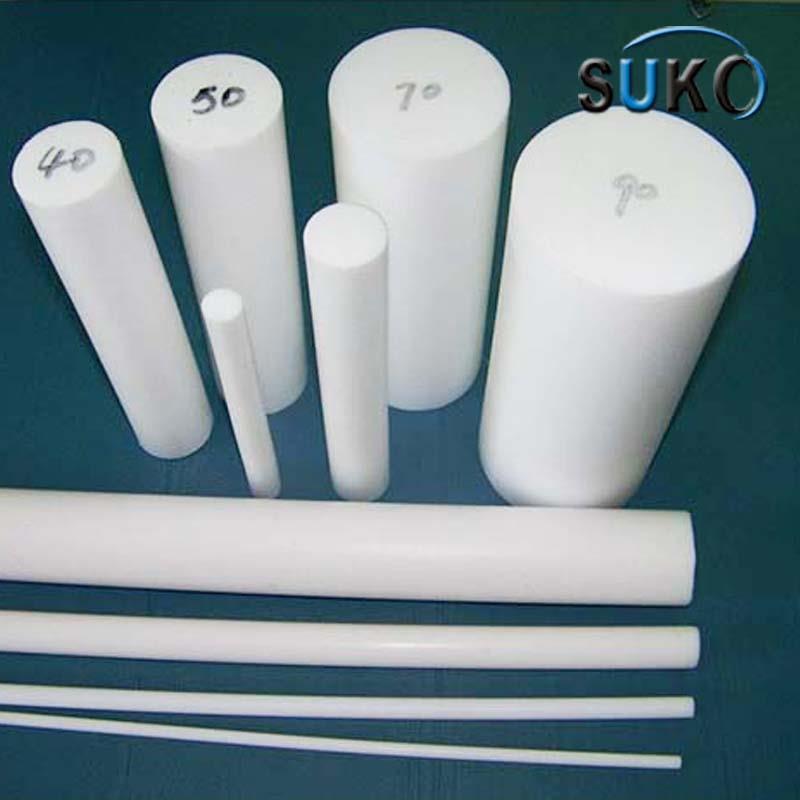
This means SUKO can produce PTFE rod across a continuous diameter range from 4mm to 500mm — all in-house, all on our own equipment.
SUKO designs and builds its own production equipment — a distinction that sets it apart from most PTFE suppliers who rely on off-the-shelf machines. This gives SUKO complete control over every variable: pressure control, temperature profiles, extrusion speed, and final machining.
What this means for sealing manufacturers:
-
One Supplier, Any Diameter — Need 6mm rod for a small seal? 50mm for a piston ring? 300mm for a large guide ring? SUKO covers the full range. No need to source from multiple suppliers.
-
Custom Diameters Available — Standard sizes not fitting your design? SUKO’s in-house extrusion capability means custom diameters are available on request.
-
Consistent Quality, Every Batch — Because SUKO builds its own extruders, the process is controlled from the equipment level — not just inspected after the fact. Batch-to-batch consistency is built in, not checked for.
PTFE Rod Specifications
| Parameter | Specification |
|---|---|
| Material | 100% virgin PTFE (ram extruded) |
| Diameter Range | 4mm – 500mm (custom available) |
| Length | Continuous extrusion — cut to required length |
| Operating Temperature | -180°C to +260°C |
| Friction Coefficient | ≤0.04 |
| Density | 2.10 – 2.30 g/cm³ |
| Tensile Strength | ≥20.0 MPa |
| Elongation at Break | ≥150% |
| Color | Natural white (custom available) |
| Fillers Available | Glass fiber, carbon, graphite, bronze, molybdenum disulfide, stainless steel |
Frequently Asked Questions
Q: What diameter range can SUKO supply for PTFE rod?
A: 4mm to 500mm standard. Custom diameters available on request.
Q: What is the temperature range for PTFE rod?
A: -180°C to +260°C continuous operation.
Q: Can PTFE rod be filled with reinforcing materials?
A: Yes. Glass fiber, carbon, graphite, bronze, molybdenum disulfide, and stainless steel fillers are available.
Q: Do you extrude rod in-house or outsource?
A: In-house. SUKO designs and builds its own ram extruders — full quality control from raw material to finished rod.
Q: Why choose ram extruded PTFE rod over molded rod?
A: Ram extrusion yields superior material homogeneity and density compared to molded rod, making it the preferred choice for precision-machined sealing components.
Q: What automotive applications use PTFE rod?
A: PTFE rod is machined into oil seals, piston rings, guide rings, gaskets, and custom sealing profiles for engines, transmissions, brake systems, steering systems, suspension, hydraulic systems, fuel systems, and electrical systems.
Q: How does PTFE rod compare to rubber seals?
A: Unlike rubber seals that degrade under heat and chemical exposure, PTFE delivers consistent performance where other materials fail — wider temperature range, superior chemical resistance, and self-lubricating properties.
Q: Can SUKO supply custom colors?
A: Yes. Natural white is standard, and custom colors are available for specific applications where color coding is required.
Q: What is the lead time for custom diameter PTFE rod?
A: Lead times vary based on diameter and quantity. Contact our sales team for specific requirements.
Conclusion
PTFE rod has become the material of choice for demanding automotive sealing applications because it outperforms rubber in every measure that matters: temperature range, chemical resistance, friction reduction, and long-term durability. Sealing manufacturers machining PTFE rod into oil seals, piston rings, guide rings, and gaskets benefit from consistent material properties, excellent machinability, and components that outlast the systems they seal.
SUKO’s capability to manufacture PTFE rod across a continuous 4mm to 500mm diameter range — all in-house, all on our own equipment — makes it a single-source supplier for sealing manufacturers who demand consistent quality and the ability to source any size from one reliable partner.
SUKO Polymer Machine Tech Co., Ltd.
-
Email: info@sukoptfe.com
-
Phone/WhatsApp: +86 19975113419
قطع PTFE مخصصة؟ اسأل الشركة المصنعة التي تبني الآلات.
Submit your design requirements and get a quote directly from the source - factory price, full control, quick response.
 English
  Russian
  Portuguese
  Arabic